
 Canada
  Alberta
  British Columbia
  Manitoba
 New Brunswick
  Newfoundland Labrador
  Nova Scotia
  Ontario
  Prince Edward Island
  Quebec
  Saskatchewan
  United States
  Belgium
 France
  Italy
Italy  Switzerland
Elsewhere
 Elsewhere
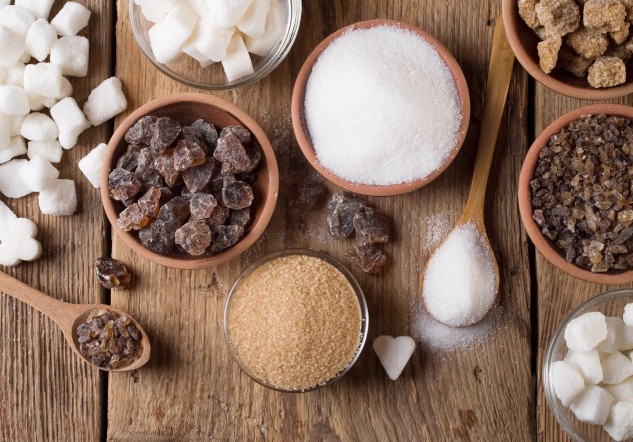
Do you suffer from bloating, gas, abdominal pain, or diarrhea? Have you tried various dietary approaches — including the FODMAP* diet — without finding the relief you hoped for? If so, a lesser-known condition could explain your symptoms: sucrose intolerance.
Although this condition has long been recognized in children, recent research indicates that it is likely underdiagnosed in adults with chronic digestive symptoms. Because its symptoms closely resemble those of irritable bowel syndrome (IBS), it often goes undetected. Yet, once identified, targeted management can make all the difference.

Disaccharidases are enzymes produced by the cells lining the small intestine. Located on the intestinal surface — specifically in the brush border — they enable the digestion of certain carbohydrates (sugars) so that they can be absorbed.
The main enzymes are:
In individuals with normal activity of these enzymes, sugars such as sucrose are fully digested and absorbed in the small intestine. When the activity of one or more of these enzymes is reduced, some carbohydrates are not completely digested. These carbohydrates then pass into the colon, where they are fermented by intestinal bacteria. This fermentation produces gas and draws water into the intestine, which can cause digestive symptoms. Symptoms vary from person to person and may include gas, bloating, abdominal pain or cramps, abdominal distension (a swollen belly), diarrhea, and sometimes constipation.
The mechanism involved is similar to that of FODMAPs, which is why some experts refer to sucrose as the “6th FODMAP”. While it is not a true FODMAP, it can trigger similar symptoms in individuals with sucrase-isomaltase deficiency. As with FODMAPs, symptoms associated with the maldigestion of sucrose or maltose normally appear about two to eight hours after consuming the foods in question.



Leave a Reply